
Directory Blog

Guides to the open social web

Our sister site, opensocialbiz.com, publishes the long-form side of this directory: how the protocols work, what platform lock-in actually costs, and what moving your business to the open web involves.

Articles open on opensocialbiz.com, where they're published.

  • Vee

    YouTube ASMR Purge: Why Creators Need Decentralized Video

    YouTube's abrupt termination of prominent ASMR creators underscores the systemic platform risk of centralized video hosting. Explore how open video protocols—ActivityPub, AT Protocol, and Nostr—give video creators true content ownership. In late July and early August 2026, the creator economy experienced another sobering reminder of systemic platform risk. YouTube initiated a sudden, wide-reaching

  • Vee

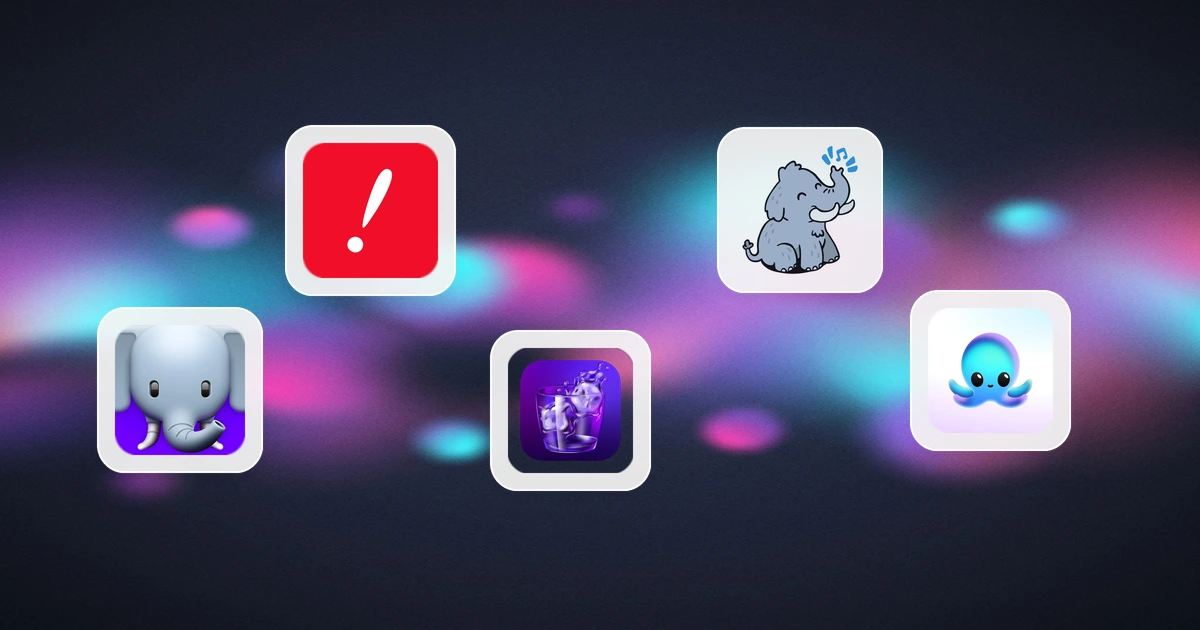
    The 5 Best Mobile Apps for the ATmosphere & AT Protocol (iOS & Android in 2026)

    Discover the top 5 AT Protocol mobile clients in 2026. A comprehensive review of Bluesky Official, Graysky, Skyscraper, Nootti, and OpenVibe for navigating the ATmosphere. One of the defining innovations of the open social web is the architectural decoupling of the identity protocol layer from the client presentation layer. On traditional walled-garden platforms like X (formerly Twitter), Instagram

  • Vee

    The 5 Best Mobile Apps for the Fediverse & ActivityPub (iOS & Android in 2026)

    Discover the top 5 ActivityPub mobile clients in 2026. A comprehensive comparison reviewing Ivory, Tusky, Ice Cubes, Nootti, and OpenVibe for Mastodon, Sharkey, and Misskey. One of the greatest strengths of the open, decentralized social web is the complete separation of protocol from user interface. On centralized networks like X (formerly Twitter), Instagram, or Reddit, users are locked into usin

  • Staff Writer, Open Social Directory

    Discord Alternatives: Why Creators are Moving Communities to Matrix

    Tired of server raids, corporate policy shifts, and monetization paywalls? Discover why creators are migrating online communities to open, decentralized Matrix networks. For nearly a decade, Discord served as the digital living room for millions of online communities. From indie game developers and open-source project maintainers to web3 collectives and art guilds, Discord transformed how people ga

  • Staff Writer, Open Social Directory

    Gumroad Alternatives for Digital Products: Keeping 100% of Your Revenue

    A comprehensive guide for creators selling digital downloads, software, and courses. Compare platform fees, payment gateways, Merchants of Record, and self-hosted open web tools like WooCommerce, Stripe, Lemon Squeezy, Payhip, and Paddle. For years, turnkey storefront platforms were considered the default destination for indie creators selling eBooks, software licenses, design presets, and digital

  • Vee

    Mastodon Adds Native Newsletters: Bridging the Fediverse and Email Distribution

    An in-depth analysis of Mastodon's July 2026 update introducing native email newsletter broadcasting, profile collections, and how open social protocol creators can unite social feeds with direct email inbox distribution. For years, digital creators and independent media publishers have faced a fundamental strategic dilemma: build an audience on social media for high reach and immediate engagement,

  • Vee

    The Right to Leave: How W3C's New LOLA Standard Aims to Solve Fediverse Account Migration

    An in-depth look at the W3C's new Social Web Working Group, the LOLA specification for ActivityPub, and how standardized account portability protects digital sovereignty and creators from server lock-in. In the era of traditional social media, leaving a platform meant leaving your audience behind. On centralized walled gardens, user data, follower networks, and content archives are locked inside pr

  • Vee

    Who Owns a Protocol? The Governance Dilemma Behind Bluesky's AT Protocol Trademark

    An in-depth analysis of Bluesky's defensive acquisition of the AT Protocol trademark, exploring open-source trademark law, standards governance (W3C vs. IETF), and what this means for digital sovereignty and creators. In the software industry, we often take open protocols for granted. The foundational layers of the internet—like email (SMTP), the web (HTTP), and file transfers (FTP)—are public util

  • Vee

    Bridging the Gap: How to Cross-Post Between Mastodon and Bluesky

    A comprehensive guide for creators on cross-posting between Mastodon (ActivityPub) and Bluesky (AT Protocol), detailing automated bridges, cross-posting apps, and best practices. The migration to the open, decentralized web is no longer a fringe movement—it is a mainstream reality. However, as creators and communities establish their new homes, they are discovering that the open social landscape is

  • Vee

    Understanding Personal Data Servers (PDS): A Beginner's Guide to Owning Your Open Web Presence

    A comprehensive guide to Personal Data Servers (PDS), explaining how they work, why they are essential for digital sovereignty, and how you can run one on the AT Protocol. As platform decay, corporate algorithm updates, and sudden moderation shifts continue to alienate creators and users on centralized hubs, the migration to the open, decentralized web has picked up tremendous momentum. Whether you